13515 Steele Creek Rd Suite 213, Charlotte, NC

Thumb Sucking Habit in Lake Wylie, NC


Many Lake Wylie parents ask us about breaking their child’s thumb sucking habit and what to expect along the way. It is one of the most common concerns we hear at Pure Hearts Pediatric Dentistry. Dr. Jessica Simon and our team understand how stressful this process can feel. This guide walks you through every stage so you feel confident and prepared.
Thumb sucking is completely natural in infants and toddlers. It helps babies self-soothe during stressful or unfamiliar moments. However, when the habit continues past age three or four, it can begin to affect how your child’s teeth and jaw develop. The good news is that with the right approach, most children can break the habit successfully.
Why Thumb Sucking Affects Your Child’s Teeth in Lake Wylie
Understanding the dental impact helps parents take the habit seriously. Prolonged thumb sucking places constant pressure on the upper front teeth and the roof of the mouth. Over time, this pressure can push teeth outward and narrow the jaw. These changes affect both baby teeth and the permanent teeth coming in behind them.
Dr. Simon often sees children in Charlotte and Lake Wylie whose upper front teeth have begun to flare outward. She also sees open bites, where the upper and lower teeth do not meet properly when the mouth closes. Speech issues can develop as well, including a lisp. Catching the habit early helps prevent more involved treatment later.
- Upper front teeth may flare outward
- The roof of the mouth can narrow
- An open bite may develop between upper and lower teeth
- Jaw alignment can be affected over time
- Speech patterns may change, including a lisp
What to Expect at Your First Thumb Sucking Consultation
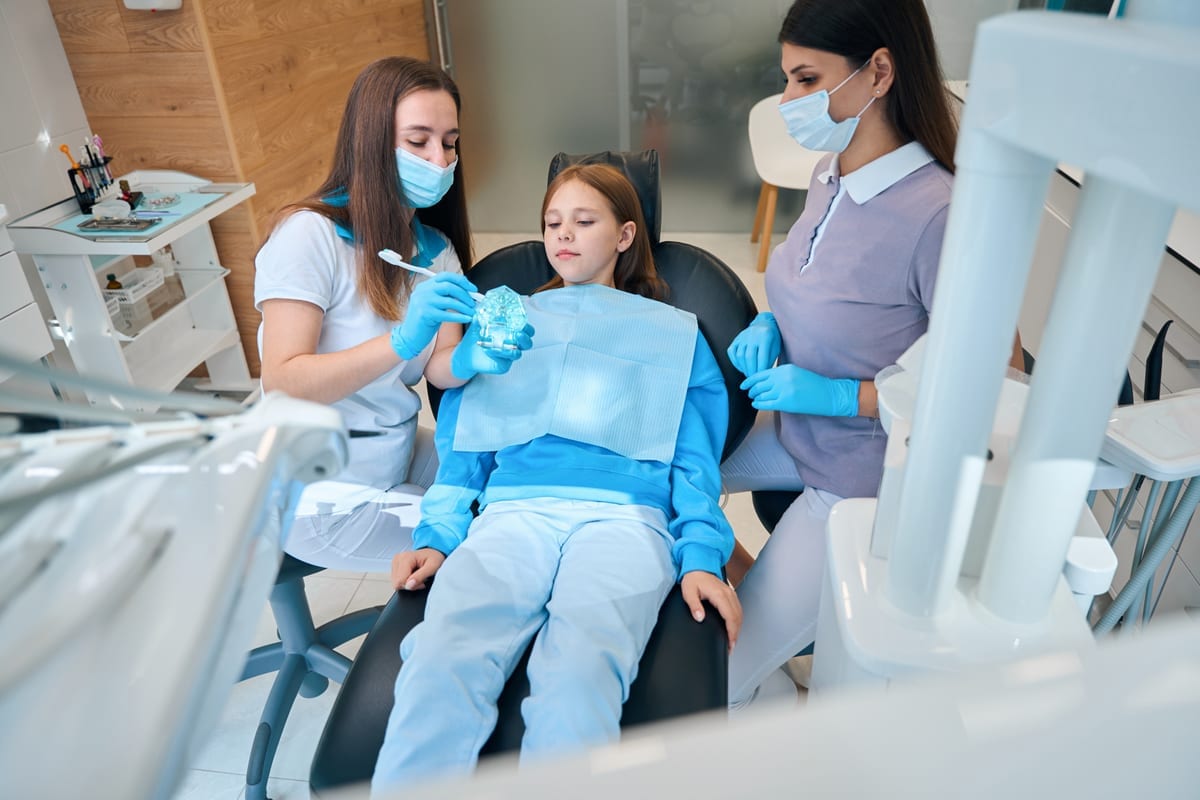
When you bring your child to Pure Hearts Pediatric Dentistry, Dr. Simon starts with a thorough dental examination. She checks the position of your child’s teeth and the shape of their jaw. She also asks about how often and how intensely your child sucks their thumb. This information helps her recommend the most appropriate approach for your child specifically.
After the examination, Dr. Simon sits down with you to review her findings. She explains exactly what she sees and what it means for your child’s development. She never uses scary language or makes children feel ashamed. Her goal is to make both parent and child feel informed and supported.
During this first visit, you and Dr. Simon will discuss a personalized habit-breaking plan. The plan depends on your child’s age, the severity of the habit, and how motivated your child feels. Some children respond well to behavioral strategies alone. Others may benefit from a dental appliance that helps remind them not to suck their thumb.
Step-by-Step: How the Habit-Breaking Process Works
Breaking your child’s thumb sucking habit in Lake Wylie follows a clear, supportive process at our practice. Dr. Simon believes in starting with the least invasive approach first. She explains each step to your child using friendly, age-appropriate language. Children feel more cooperative when they understand what is happening and why.
Here is what the process typically looks like at Pure Hearts Pediatric Dentistry:
- Dental evaluation: Dr. Simon examines teeth, bite, and jaw development at the first visit.
- Parent and child education: Both of you learn why the habit matters and how change helps.
- Behavioral strategies introduced: Dr. Simon recommends reward charts, reminders, and positive reinforcement at home.
- Progress check appointments: Your child returns so Dr. Simon can monitor changes and encourage them directly.
- Dental appliance placement (if needed): If behavioral methods alone are not enough, a palatal crib may be recommended.
- Follow-up monitoring: Dr. Simon continues to track tooth and jaw position until the habit is fully resolved.
Most children do not need a dental appliance. Many break the habit within a few weeks using behavioral methods and positive encouragement. Dr. Simon celebrates every milestone with your child to keep motivation high. Small wins make a big difference in keeping kids engaged.
What Is a Palatal Crib and How Does It Feel?
A palatal crib is a small dental appliance that sits behind the upper front teeth. It does not block the thumb from entering the mouth entirely. Instead, it removes the satisfaction children feel when they suck their thumb. Without that comforting sensation, most children naturally stop the habit within a few weeks.
Dr. Simon places the palatal crib during a simple in-office appointment. She takes impressions of your child’s teeth first so the appliance fits precisely. Once fitted, she carefully bonds the crib to the upper back teeth using dental cement. The appointment is gentle and does not require any anesthesia in most cases.
Children typically feel some tongue awareness when the appliance is new. They may speak slightly differently for a few days as they adjust. Eating soft foods for the first day or two helps with comfort. Within a week, most children barely notice the appliance is there.
- No needles or anesthesia needed in most cases
- Custom-fitted for your child’s mouth at our Charlotte-area office
- Mild tongue awareness fades within a few days
- Soft foods recommended for the first day or two
- Most children stop thumb sucking within two to four weeks
- Dr. Simon monitors the appliance at follow-up visits
Supporting Your Child at Home During the Process
Your role at home is just as important as what happens in our office. Dr. Simon encourages parents to focus on positive reinforcement rather than punishment. Scolding or nagging tends to increase anxiety, which can actually make the habit worse. Praise and reward systems work far more effectively for most children.
A simple sticker chart works well for younger children. Each thumb-free day earns a sticker, and a small reward follows after a set number of stickers. Older children often respond to goal-setting and earning a special privilege. Dr. Simon can help you tailor the reward system to your child’s personality during your visit.
Some children suck their thumb most often when they feel tired, bored, or anxious. Identifying those triggers helps you offer an alternative comfort strategy. A stuffed animal, a fidget tool, or a short breathing exercise can replace the habit in those moments. Consistent, calm support from parents makes the biggest difference in long-term success.
Frequently Asked Questions
At what age should I be concerned about my child’s thumb sucking?
Most children naturally stop thumb sucking between ages two and four. If the habit continues past age four, it is a good idea to discuss it with Dr. Simon at Pure Hearts Pediatric Dentistry. Early intervention helps prevent dental and jaw development issues from becoming more serious.
Will my child’s teeth straighten on their own after they stop thumb sucking?
In many cases, yes. If a child stops the habit before their permanent teeth come in, the teeth and jaw often self-correct over time. However, more severe cases may require orthodontic monitoring. Dr. Simon will track your child’s progress and let you know if any follow-up treatment is needed.
Is a palatal crib painful for my child?
A palatal crib is not painful. Children feel some awareness of the appliance for the first few days, especially with their tongue. Mild soreness around the bonded areas can occur initially. Over-the-counter children’s pain reliever and soft foods usually manage any discomfort easily.
How long does it take to break the thumb sucking habit with Dr. Simon’s help?
Most children see significant improvement within two to four weeks of starting their habit-breaking plan. Children using a palatal crib often stop the habit faster than those using behavioral methods alone. Every child is different, so Dr. Simon sets realistic expectations during your first consultation.
Can thumb sucking come back after my child stops?
Relapse is possible, especially during stressful periods like starting school or a family change. If the habit returns, contact Pure Hearts Pediatric Dentistry right away. Dr. Simon can reassess and adjust the plan quickly to get your child back on track.
If you are ready to take the next step, our team at Pure Hearts Pediatric Dentistry in Charlotte is here to guide your family with warmth and expertise. Dr. Jessica Simon makes every visit feel safe, positive, and productive for both children and parents. You do not have to navigate this alone. Book Now to schedule your appointment with our team.


Ready to Get Cozy in Our Space?
We are here to provide a positive and comfortable dental experience for your child (and you!)