13515 Steele Creek Rd Suite 213, Charlotte, NC
Early Warning Signs Your Young Athlete’s Teeth Need Attention Now


Charlotte parents, does your child play sports? Young athletes put their bodies through a lot. Their teeth face unique risks too. Knowing the early warning signs your young athlete’s teeth need attention now in Charlotte can save your child from pain, missed games, and costly treatment later.
Many dental problems start small and quiet. Parents often miss them until discomfort becomes hard to ignore. The good news is that catching issues early makes treatment simpler and faster. Dr. Jessica Simon and the team at Pure Hearts Pediatric Dentistry are here to help you know exactly what to watch for.
Why Young Athletes in Charlotte Face Unique Dental Risks
Active kids face dental challenges that go beyond the typical. Sports drinks, mouth guards, and physical contact all affect their oral health. Even kids who brush regularly can develop problems related to their active lifestyle.
Acidic sports drinks are a major culprit. They wear down tooth enamel quickly, especially when sipped over long practices. Dry mouth from heavy breathing during exercise also reduces saliva, which normally protects teeth from decay.
Contact sports create impact risks. A stray elbow or a tumble can chip, crack, or even knock out a tooth. These situations require fast action and, ideally, a dentist who already knows your child’s dental history well.
Early Warning Signs Your Young Athlete’s Teeth Need Attention Now
Some warning signs are obvious. Others are easy to overlook during a busy sports season. Here are the key signs that should prompt a dental visit right away.
- Tooth sensitivity: Pain when eating cold, hot, or sweet foods signals enamel wear or early decay.
- Bleeding gums: Gums that bleed during brushing or flossing indicate early gum disease.
- Dark spots on teeth: Brown or black spots are often early cavities forming under the surface.
- Chipped or cracked teeth: Even small chips can expose the inner tooth and lead to infection.
- Persistent bad breath: Chronic bad breath can signal decay or gum problems, not just poor brushing.
- Loose teeth outside the normal timeline: Teeth becoming loose without an obvious reason need professional evaluation.
- Tooth pain after impact: Any pain following a blow to the face should be assessed immediately.
If your child mentions any of these, do not wait. Early treatment prevents these issues from becoming bigger problems that take longer to fix.
What Bleeding Gums and Dark Spots Really Mean
Parents often dismiss bleeding gums as normal. They are not. Healthy gums do not bleed when a child brushes properly. Bleeding is one of the earliest and most reliable signs of gum inflammation.
In children, this is usually caused by plaque buildup along the gumline. The good news is that early gum problems in kids respond very well to professional cleaning and improved home care. Catching it early avoids more serious gum disease down the road.
Dark spots deserve equal attention. Many parents assume spots are just staining from food or drinks. Sometimes they are. But brown or gray spots that appear on smooth tooth surfaces are often early cavities.
Early cavities can be treated with simple fillings or even remineralization treatments. Left alone, they grow deeper and may eventually affect the nerve of the tooth. That means more discomfort for your child and more complex treatment.
Sensitivity and Sports Drinks: A Hidden Connection in Charlotte
Tooth sensitivity is one of the most common complaints Dr. Jessica Simon sees in young patients at Pure Hearts Pediatric Dentistry in Charlotte. Parents are often surprised to learn that sports drinks are frequently to blame.
These beverages are highly acidic. They soften enamel temporarily after consumption. When kids sip them throughout practice, the enamel never fully recovers. Over time, the enamel thins and teeth become sensitive to temperature and pressure.
Sensitivity can also point to early decay or a developing crack. Either way, it should never be ignored. A quick visit to our Charlotte office can identify the cause and put your child on the right track.
Simple changes can make a big difference. Encourage your child to drink water during practice and save sports drinks for after. Rinsing with water after an acidic drink also helps protect enamel.
What to Do If Your Child Gets a Dental Injury During a Game
Dental injuries during sports can happen in seconds. Knowing how to respond quickly protects your child’s tooth and their long-term smile. Stay calm and act fast.
- Knocked-out permanent tooth: Pick it up by the crown, not the root. Rinse gently with water. Place it back in the socket if possible, or keep it in milk. Call our office immediately.
- Chipped tooth: Save any broken pieces. Rinse your child’s mouth with warm water. Apply a cold compress to reduce swelling and call us right away.
- Tooth pushed out of position: Do not try to reposition it yourself. Contact our office and bring your child in as soon as possible.
- Soft tissue injury: Apply gentle pressure with clean gauze. If bleeding does not stop within 15 minutes, go to an emergency room.
Time matters with dental injuries. The faster you act and the sooner your child sees a dentist, the better the outcome. Pure Hearts Pediatric Dentistry serves families across Charlotte and is here when your child needs urgent care.
Prevention Tips for Active Kids and Their Parents
Prevention is always the best strategy. These practical steps help protect your young athlete’s smile through every season.
- Use a properly fitted mouth guard for all contact sports.
- Replace sports drinks with water during practice whenever possible.
- Schedule dental checkups every six months, or more often if your child is cavity-prone.
- Ask about dental sealants, which protect back teeth from decay.
- Ask about fluoride treatments to strengthen enamel against acid erosion.
- Teach your child to tell you right away if a tooth feels different or hurts.
Routine checkups in Charlotte will allow our dentist to spot early problems before your child even notices them. Many early warning signs are visible to a trained eye long before they cause pain.
Schedule a Visit at Pure Hearts Pediatric Dentistry in Charlotte
Your young athlete works hard to stay strong and healthy. Their teeth deserve the same care. The early warning signs your young athlete’s teeth need attention now in Charlotte are easy to miss without knowing what to look for. Now you do. Do not wait for pain or injury to become the reason for a dental visit. Book Now to schedule your appointment with our team.
Frequently Asked Questions
How often should a child who plays sports visit the dentist?
Most active children benefit from checkups every six months. Kids who drink sports drinks frequently or have had previous dental issues may benefit from more frequent visits. Dr. Jessica Simon can recommend the right schedule based on your child’s specific needs.
Are sports drinks really that damaging to children’s teeth?
Yes, sports drinks are highly acidic and can erode tooth enamel quickly. Regular consumption, especially during long practices, significantly increases the risk of sensitivity and decay. Water is always a safer choice for hydration during activity.
What is the best mouth guard for a young athlete?
Custom-fitted mouth guards made by a dentist offer the best protection. They fit securely, do not interfere with breathing or speaking, and provide more reliable coverage than over-the-counter options. Ask our team about getting one fitted for your child.
Can a knocked-out baby tooth be replanted?
Generally, baby teeth are not replanted after being knocked out because reinsertion can interfere with the developing permanent tooth underneath. However, you should still contact our office right away so Dr. Simon can assess your child and monitor the area for complications.
My child has dark spots on their teeth but no pain. Should I still come in?
Absolutely. Many early cavities cause no pain at all in the beginning. Dark spots that appear on tooth surfaces are a common early sign of decay. Treating them early with a simple filling or remineralization prevents the cavity from growing deeper and causing pain later.


Ready to Get Cozy in Our Space?
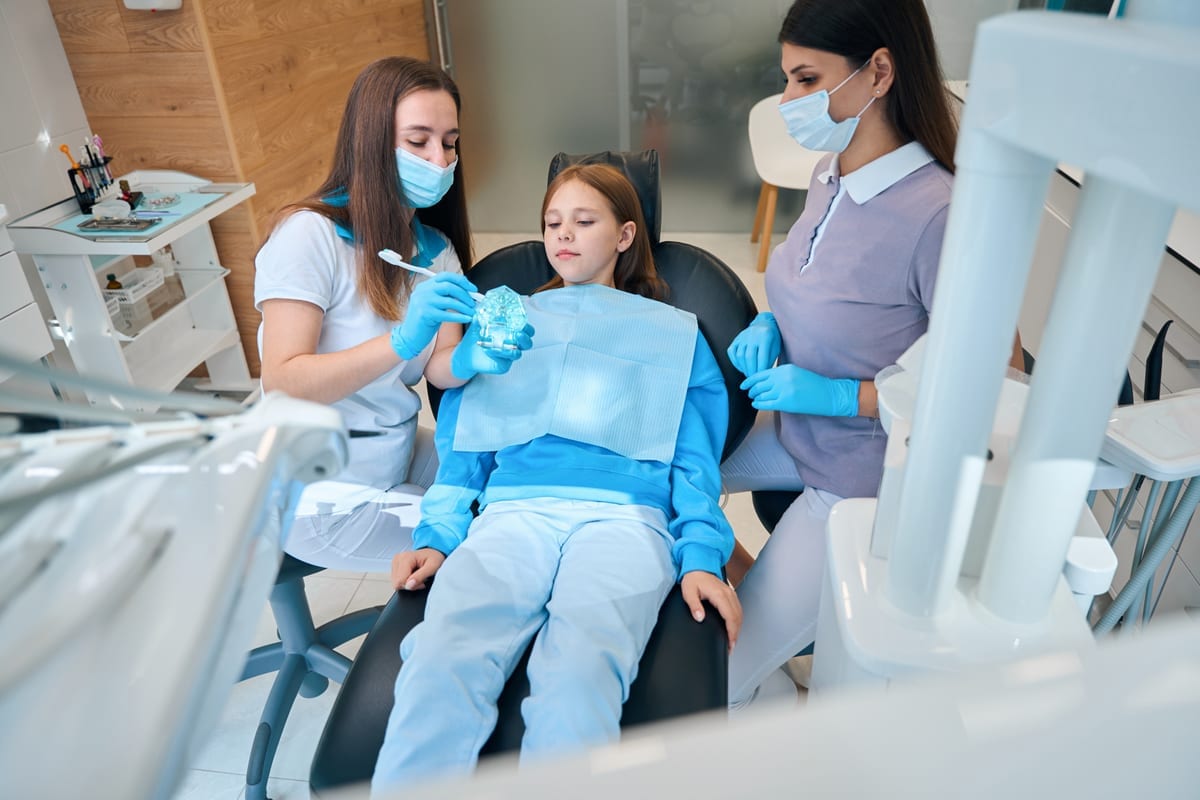
We are here to provide a positive and comfortable dental experience for your child (and you!)