13515 Steele Creek Rd Suite 213, Charlotte, NC

Dental Bonding Charlotte | Pure Hearts Pediatric Dentistry

Dental Bonding Charlotte: What Parents Need to Know
Dental bonding Charlotte families ask about is one of the most versatile treatments in pediatric dentistry. It can repair chipped teeth, close small gaps, and improve the look of discolored enamel. At Pure Hearts Pediatric Dentistry, Dr. Jessica Simon uses dental bonding to help children feel confident about their smiles. This guide explains everything parents in Charlotte, NC need to know.
What Is Dental Bonding?
Dental bonding is a simple cosmetic and restorative procedure. A tooth-colored resin material is applied directly to the tooth surface. The dentist then shapes and hardens it using a special curing light.
The result looks completely natural. Most people cannot tell the difference between bonded teeth and untreated teeth. The procedure is quick, painless in most cases, and requires little to no drilling.
Bonding works well on both baby teeth and permanent teeth. That makes it a popular choice for pediatric patients at all ages. It is also one of the most affordable cosmetic dental treatments available today.
When Does a Child Need Dental Bonding in Charlotte?
Several situations make dental bonding a smart choice for young patients. Dr. Simon evaluates each child individually before recommending any treatment. Here are the most common reasons children receive dental bonding:
- A chipped or cracked tooth from a fall or injury
- Tooth discoloration that does not respond to whitening
- Small gaps between front teeth
- Unusually short or misshapen teeth
- Minor cavities in visible areas
- Exposed tooth roots due to gum recession
Dental injuries in children happen often. Active kids in Charlotte who play sports or spend time on playgrounds are especially prone to chipped teeth. Bonding can restore a damaged tooth quickly and effectively.
It is worth noting that bonding is not always the right solution. For more severely damaged teeth, Dr. Simon may suggest tooth-colored zirconia crowns instead. She will always recommend what is safest and best for your child.
What to Expect During a Dental Bonding Appointment
Parents often wonder what the procedure actually looks like. The good news is that dental bonding is straightforward and usually comfortable. Most appointments take between 30 and 60 minutes per tooth.
Here is a simple step-by-step overview of the process:
- Preparation: Dr. Simon selects a resin shade that closely matches your child’s natural tooth color.
- Surface conditioning: The tooth is lightly roughened and coated with a conditioning liquid. This helps the bonding material stick.
- Resin application: The soft, putty-like resin is applied to the tooth and carefully molded.
- Curing: A bright light hardens the resin in just a few seconds.
- Finishing: Dr. Simon trims, smooths, and polishes the bonded area for a natural look.
Anesthesia is usually not needed unless bonding is used to treat a cavity. This makes the experience much less stressful for children. Many kids feel completely at ease throughout the appointment.
If your child has dental anxiety, ask about our restorative dentistry options, including sedation support. Dr. Simon and her team work hard to make every visit calm and positive.
How Long Does Dental Bonding Last?
Bonding is durable, but it does not last forever. With proper care, bonded teeth can last anywhere from three to ten years. The lifespan depends on the child’s habits and where the bonding is placed.
Bonding material can chip if a child bites hard objects or chews ice. It can also stain over time from foods and beverages. Teaching children good habits early helps extend the life of their bonding.
Here are some tips to help bonded teeth last longer:
- Avoid biting fingernails or chewing on pens
- Do not bite into very hard foods with bonded front teeth
- Brush and floss regularly to prevent decay around the bonding
- Visit the dentist every six months for dental cleanings and exams
- Wear a mouthguard during contact sports
Bonding can be repaired or replaced if it chips or wears down. Dr. Simon monitors bonded teeth at every checkup. She will let you know when a touch-up or replacement is needed.
Is Dental Bonding Safe for Children?
Yes, dental bonding is considered very safe for children. The resin materials used today are BPA-free and thoroughly tested. They have been used in dentistry for decades with an excellent safety record.
The procedure involves no significant removal of natural tooth structure. This is a major advantage over other treatments like veneers or crowns. Preserving healthy tooth structure is always a priority for pediatric dentists.
Dr. Simon follows all clinical best practices during every procedure. She uses the highest quality materials available and stays current with the latest pediatric dental research. Parents can feel confident their child is in expert hands at Pure Hearts Pediatric Dentistry.
If you want to read about real experiences from Charlotte families, visit our patient reviews page to see what other parents have shared.
Dental Bonding Charlotte: Why Choose Pure Hearts Pediatric Dentistry
Pure Hearts Pediatric Dentistry is dedicated exclusively to children’s oral health. Dr. Jessica Simon has extensive training in pediatric dental care. She understands how to make young patients feel safe, respected, and comfortable.
Our Charlotte office is designed with kids in mind. From the waiting room to the treatment chairs, everything is created to reduce anxiety. We believe that positive early dental experiences shape a lifetime of good oral health habits.
We treat the whole child, not just the tooth. That means we take time to explain procedures to both parents and kids. We answer every question thoroughly and never rush through appointments.
Whether your child needs a simple repair or a more complex treatment, our team is here to help. Contact us to schedule a consultation with Dr. Simon today. Book Now to schedule your appointment with our team.
Frequently Asked Questions
Does dental bonding hurt for kids?
Most dental bonding procedures are painless and do not require anesthesia. The process is gentle and non-invasive. If bonding is used to treat a cavity, a local anesthetic may be used to keep your child comfortable.
How is dental bonding different from a filling?
Fillings are used primarily to treat cavities and restore function. Dental bonding can address both cosmetic concerns and minor structural issues. Bonding is shaped and polished to blend seamlessly with natural tooth appearance, making it ideal for visible front teeth.
Can bonding fix a chipped baby tooth?
Yes, dental bonding works well on baby teeth too. Repairing a chipped baby tooth helps maintain proper spacing and prevents discomfort. Dr. Simon will assess whether bonding or another treatment is the best fit for your child’s specific situation.
How do I care for my child’s bonded tooth at home?
Brush and floss the bonded tooth just like any other tooth. Avoid letting your child bite hard objects or chew ice. Regular dental checkups every six months will help monitor the bonding and catch any issues early.
At what age can a child get dental bonding?
There is no strict minimum age for dental bonding. Dr. Simon evaluates each child individually to determine if bonding is appropriate. Both younger children with baby teeth and older children with permanent teeth can benefit from this treatment when the need arises.

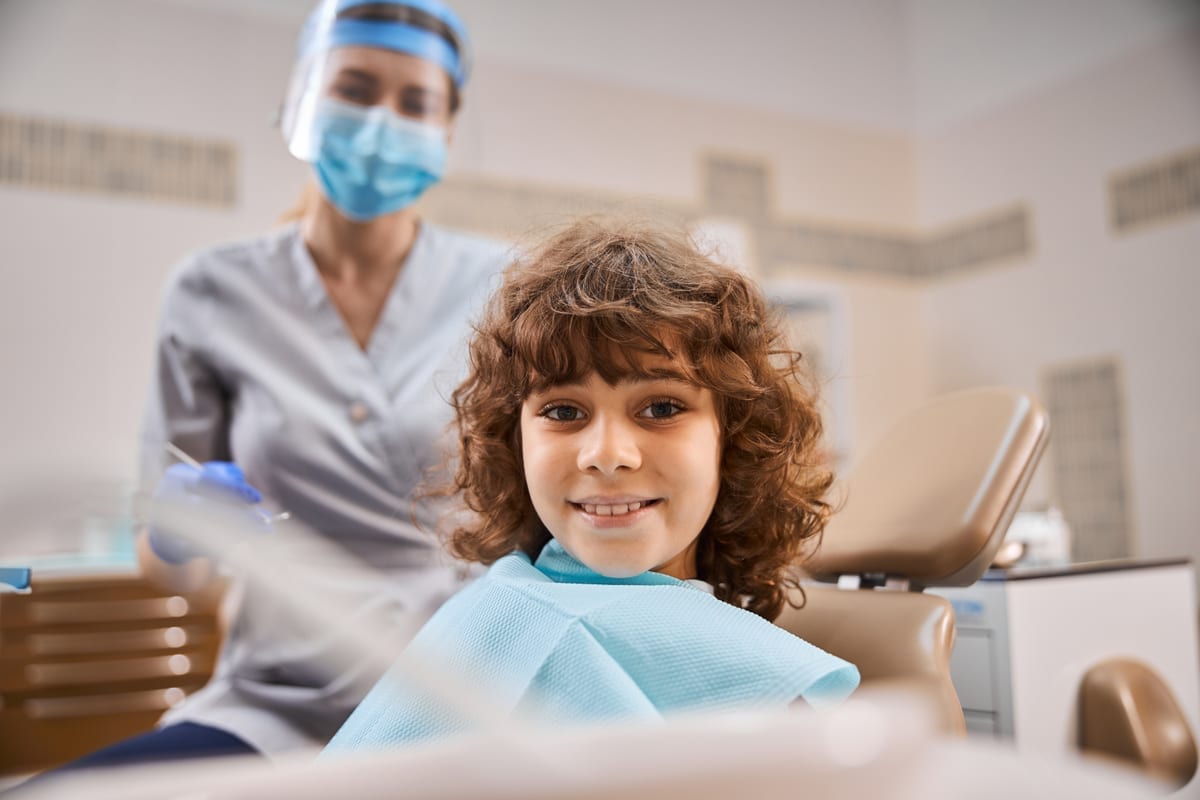



Ready to Get Cozy in Our Space?
We are here to provide a positive and comfortable dental experience for your child (and you!)