13515 Steele Creek Rd Suite 213, Charlotte, NC

How to Choose the Best Pediatric Dentist in Charlotte, NC: A Parent’s Guide

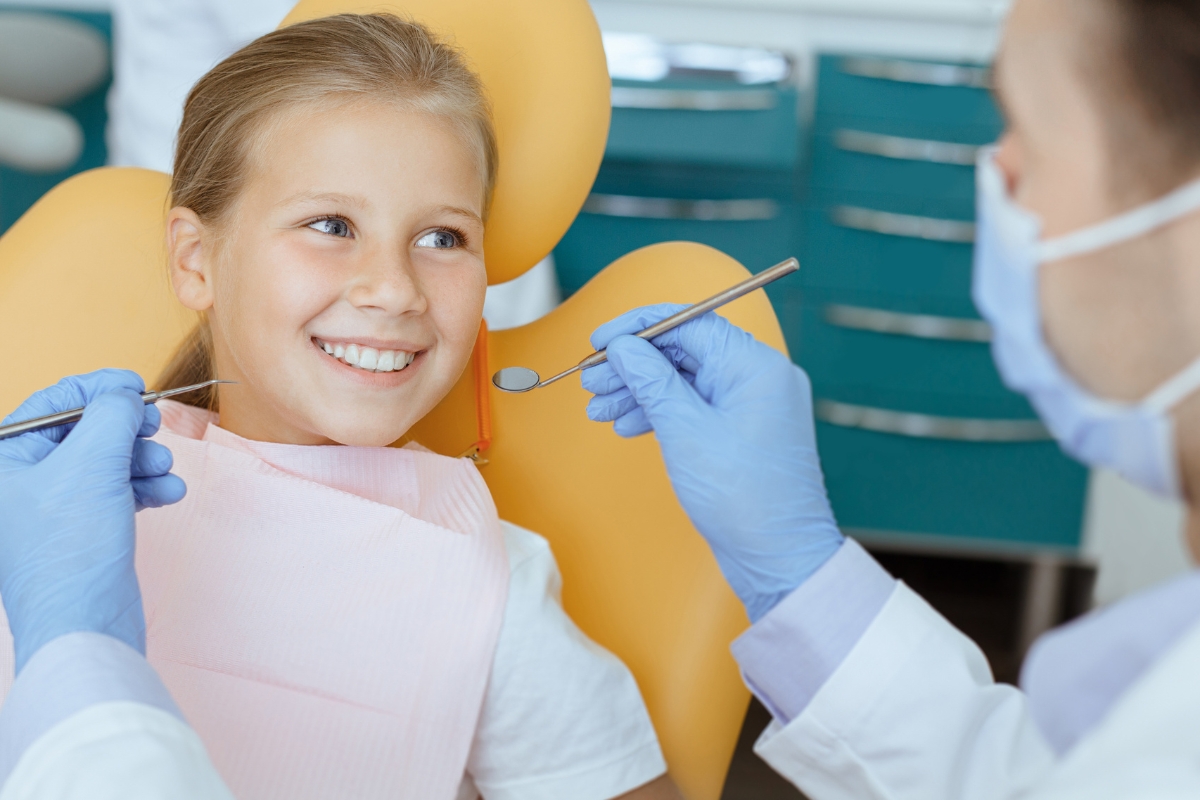
Choosing a dentist for your child is about more than finding a convenient location. Parents want a dental team that understands children’s needs, explains treatments clearly, and helps young patients feel comfortable during every visit. The right pediatric dentist can help children develop healthy oral hygiene habits while building confidence around dental care.
For families in Charlotte, NC, finding a practice that combines preventive dentistry with a gentle, child-centered approach can make dental visits easier for both children and parents. Whether your child needs a first dental checkup, routine cleaning, or specialized support for dental anxiety, knowing what to look for can help you make an informed decision.
1. Look for a Dentist Who Specializes in Children’s Oral Health
Children’s teeth and gums change as they grow, so their dental needs differ from those of adults. A pediatric dentist focuses on children’s oral health, from infancy through adolescence, and understands the importance of monitoring dental development at every stage.
Look for a provider who offers age-appropriate examinations, preventive care, cavity assessments, and guidance on brushing and flossing. A pediatric dental team should also help parents understand teething, the transition from baby teeth to permanent teeth, and habits that may affect oral development.
A positive early experience can help children become more comfortable with dental care as they grow. Choose a practice that explains procedures in child-friendly language, welcomes questions, and gives your child time to become familiar with the dental environment.
2. Choose a Child-Friendly and Welcoming Dental Environment
The dental office environment can influence how children feel about appointments. Bright lights, unfamiliar sounds, and new equipment may feel overwhelming, particularly for young children or those who are sensitive to sensory stimulation.
When researching pediatric dental practices, consider whether the office is designed to help children feel safe and supported. A welcoming team, clear explanations, patient communication, and a calm atmosphere can make the experience less intimidating.
It is also helpful to ask how the dental team responds when a child feels nervous or needs extra time. Some children benefit from a gradual introduction to dental instruments and procedures rather than moving directly into treatment. A practice that adapts its approach to each child can help establish trust and encourage more positive visits over time.
3. Evaluate the Services and Personalized Care Available
Your child’s dental needs may change over time. A practice that offers a broad range of pediatric services can help your family access appropriate care as your child grows, from preventive checkups to restorative treatment when necessary.
When comparing providers, look for services such as dental cleanings, fluoride treatments, sealants, cavity treatment, emergency dental care, and evaluations of dental development. Families may also want to ask about sedation options for children who require additional support during certain procedures.
If you are researching a Pediatric dentist in Charlotte, Pure Hearts Pediatric Dentistry offers preventive, restorative, emergency, sedation, and specialized care in a sensory-friendly environment. Its approach is designed to support children with different comfort levels and individual needs, helping parents explore suitable options for their child’s dental health.
Before scheduling, ask how treatment recommendations are explained, whether parents can discuss concerns with the dental team, and how care plans are tailored to each child. Clear communication helps families understand their options and make informed decisions.
4. Review Trusted Guidance on Children’s Dental Health
A reliable pediatric dentist should welcome questions and provide practical advice that supports your child’s oral health between appointments. Parents can also consult established dental organizations for evidence-based information about preventive care, oral hygiene, and children’s dental development.
The American Dental Association provides helpful guidance on infant and childhood dental care, including first dental visits, fluoride, dental sealants, and caring for baby teeth. Explore the ADA’s Babies and Kids dental health resource to learn more about age-appropriate oral health habits.
Use educational resources to prepare questions for your child’s dentist rather than relying on general online advice to diagnose or treat a dental concern. Your dentist can recommend care based on your child’s age, dental history, risk of tooth decay, and individual needs.
5. Ask How the Practice Supports Children With Dental Anxiety
Dental anxiety can make appointments challenging for children and stressful for parents. Some children worry about unfamiliar sounds or sensations, while others may have had a difficult dental experience in the past. Children with autism, ADHD, sensory sensitivities, or other support needs may benefit from additional preparation and individualized care.
Before choosing a dentist, ask how the team helps anxious children feel more comfortable. Helpful approaches may include explaining each step before beginning, allowing time for breaks, using positive reinforcement, and adapting the environment to reduce unnecessary sensory stimulation.
Pure Hearts Pediatric Dentistry emphasizes sensory-friendly care, with features such as calming lighting, noise-reducing headphones, and individualized support. Parents can discuss their child’s preferences, triggers, communication needs, and previous experiences with the team before an appointment.
For some children, the dentist may also discuss sedation when appropriate. Sedation is not necessary for every child, and the choice depends on factors such as the procedure, the child’s health, and the dentist’s clinical assessment. Ask about the available options, risks, preparation instructions, and monitoring procedures before making a decision.
6. Understand Preventive Care and Long-Term Dental Health
Regular preventive visits help a dentist monitor your child’s teeth, identify concerns early, and reinforce healthy habits. During checkups, the dental team may assess tooth development, examine the gums, evaluate cavity risk, and recommend preventive treatments based on your child’s needs.
At home, parents can encourage consistent brushing and flossing, limit frequent sugary snacks and drinks, and help children develop a routine that suits their age. Young children often need assistance with brushing to ensure their teeth are cleaned effectively.
Ask the dentist how often your child should attend appointments. The recommended schedule may vary depending on oral health, cavity risk, and treatment needs. A personalized preventive plan can help your family understand what to do between visits and when to return for follow-up care.
7. Consider Location, Scheduling, and Communication
Convenience matters when choosing a dental practice for your family. A nearby office can make it easier to attend regular checkups, manage follow-up visits, and seek care when an urgent dental concern arises.
Charlotte parents may want to consider travel time, appointment availability, office hours, and the process for contacting the practice with questions. It is also useful to confirm which services are available, how treatment estimates are provided, and whether the office can explain insurance and payment options before treatment.
Communication should be straightforward from the first interaction. Look for a team that answers questions patiently, explains recommendations in understandable language, and helps you prepare your child for an upcoming visit. These practical details can make maintaining your child’s dental care routine easier.
8. Prepare Your Child for the First Appointment
A little preparation can help children feel more confident before visiting the dentist. Explain that the dentist will count and check their teeth, using simple, reassuring language suited to their age. Avoid presenting the visit as a punishment or making promises about procedures you cannot predict. For younger children, reading a picture book about dental visits or practicing opening their mouth for a quick tooth check at home may help make the experience more familiar. Older children may appreciate knowing what will happen and having an opportunity to ask questions.
Tell the dental team about any concerns, sensory preferences, communication differences, or previous difficult experiences before the appointment. Bring relevant medical and dental history and a list of questions you want to discuss. A supportive first visit gives the dentist an opportunity to understand your child’s needs while helping your family learn how to maintain healthy teeth between appointments.
Choose a Pediatric Dental Home That Puts Your Child First
Finding the right pediatric dentist in Charlotte means looking beyond convenience. Consider the provider’s experience with children, the range of services offered, the comfort of the environment, and the quality of communication with parents.
Pure Hearts Pediatric Dentistry serves families in Steele Creek, Charlotte, with a focus on compassionate, sensory-friendly pediatric dental care. Whether your child needs a routine checkup, preventive treatment, or additional support with dental anxiety, the team can help you explore appropriate care options.
Ready to take the next step toward a healthier smile for your child? Visit Pure Hearts Pediatric Dentistry to learn more about its services and schedule an appointment. Starting with a conversation about your child’s needs can help you find a comfortable path toward lifelong oral health.
Frequently Asked Questions
1. At what age should a child first visit a pediatric dentist?
Children should generally have their first dental visit when their first tooth appears and no later than their first birthday. Early visits allow the dentist to assess oral development and guide parents on preventive care.
2. How often should children visit a pediatric dentist?
Many children benefit from dental checkups every six months, but the appropriate interval depends on their oral health and cavity risk. Follow the schedule recommended by your child’s dentist.
3. How can I help my child overcome dental anxiety?
Talk about the appointment positively, use age-appropriate explanations, and let the dental team know about your child’s fears. A gradual, supportive approach and a calming environment may help reduce anxiety.
4. Does a pediatric dentist treat children with autism or sensory sensitivities?
Some pediatric dental practices offer specialized support for children with autism, ADHD, or sensory sensitivities. Ask about sensory-friendly accommodations, communication strategies, and individualized treatment planning before booking.
5. What should I look for when choosing a pediatric dentist in Charlotte, NC?
Consider pediatric experience, preventive and emergency services, a welcoming environment, support for anxious children, convenient scheduling, and clear communication. Choose a practice that listens to your concerns and explains treatment options before proceeding.




Ready to Get Cozy in Our Space?
We are here to provide a positive and comfortable dental experience for your child (and you!)